OUTDOOR EQUIPMENT · B2B SOURCING
For wholesale & retail buyers ↗
Build your outdoor assortment with tents, furniture, sleeping essentials and storage. Compare the details that matter.
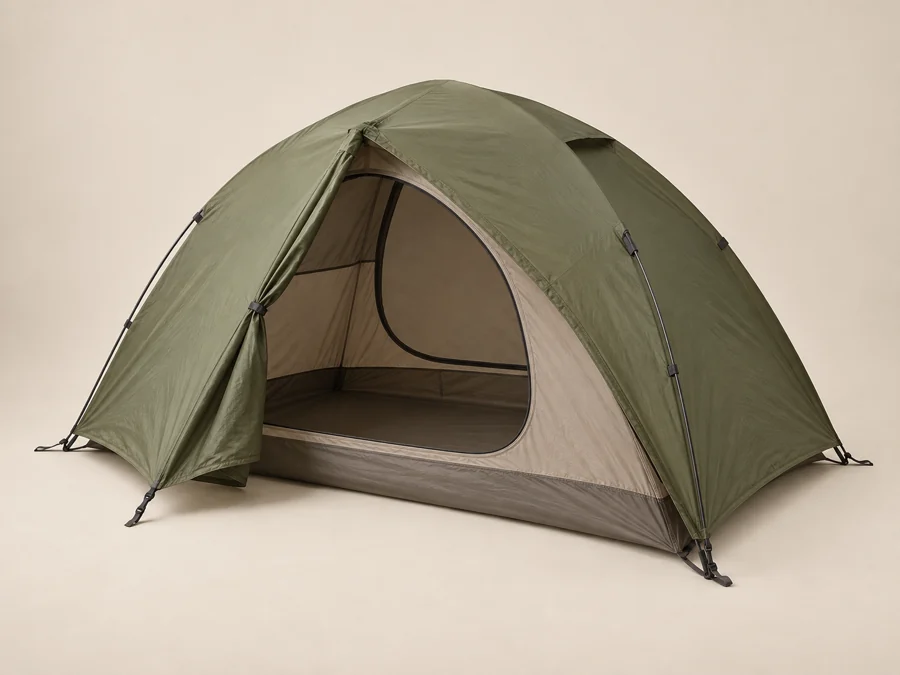
Define sleeping capacity, fabric construction and packed size for your camping range.
CAPACITY · FABRIC · POLE SYSTEM
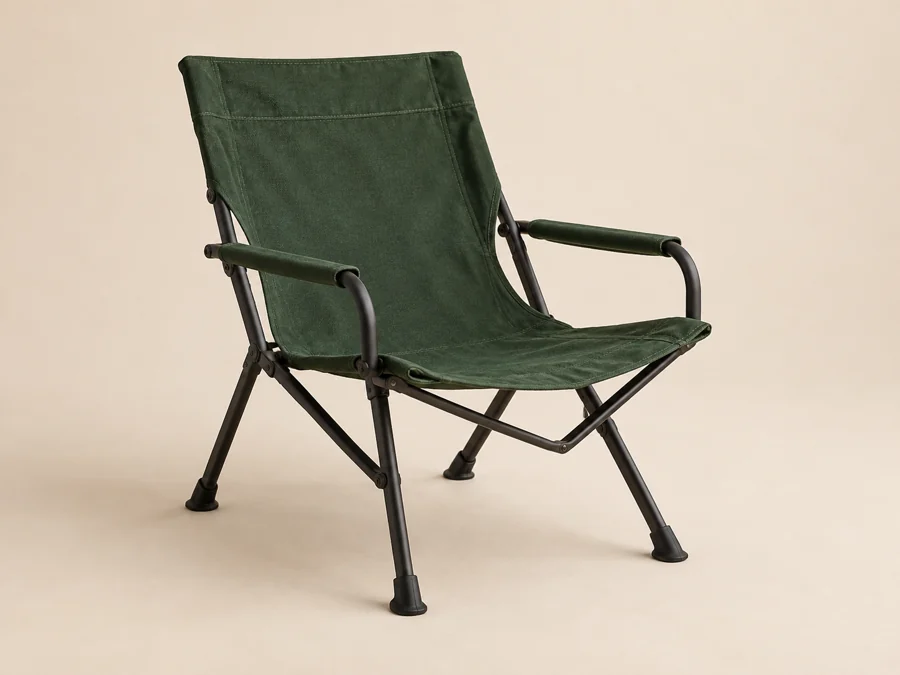
Compare frame construction, seat dimensions and folded size for your range.
FRAME · SEAT SIZE · PACKED SIZE
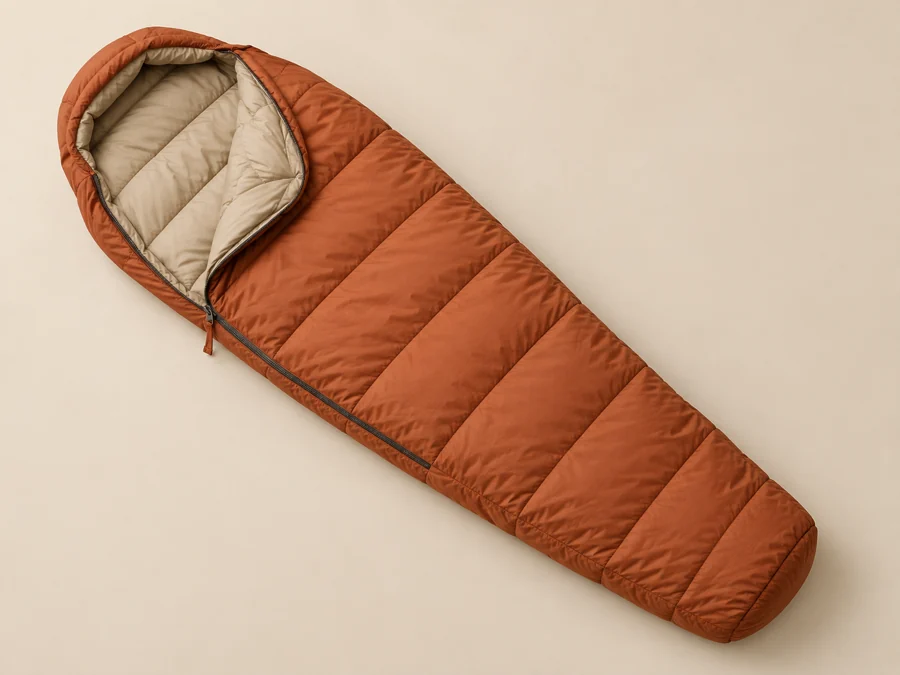
Specify bag shape, fill construction and packed size for the intended conditions.
SHAPE · FILL · PACKED SIZE
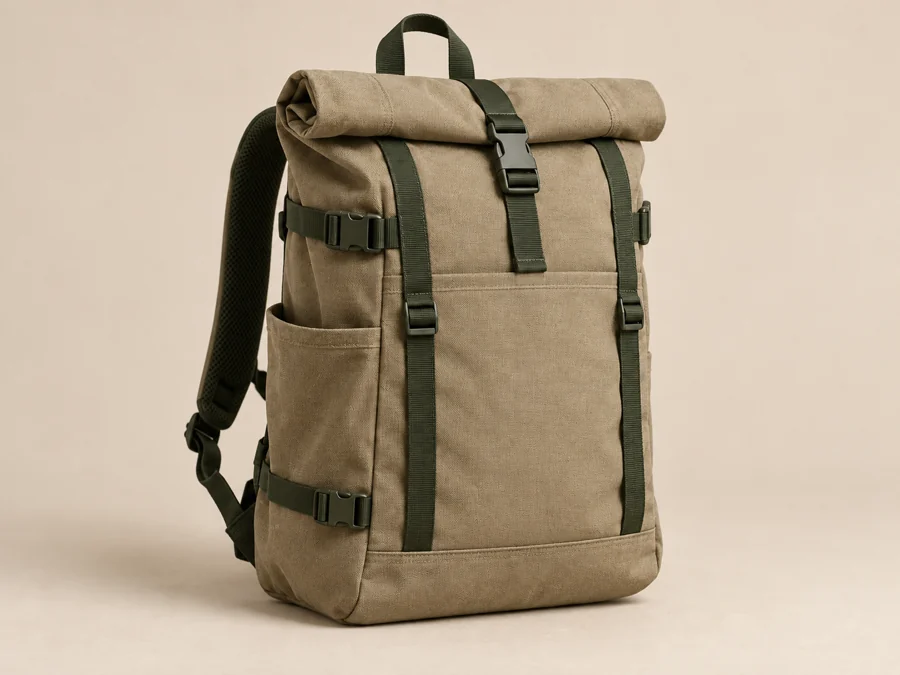
Define carrying capacity, pocket layout and closure requirements for outdoor use.
CAPACITY · FABRIC · STORAGE
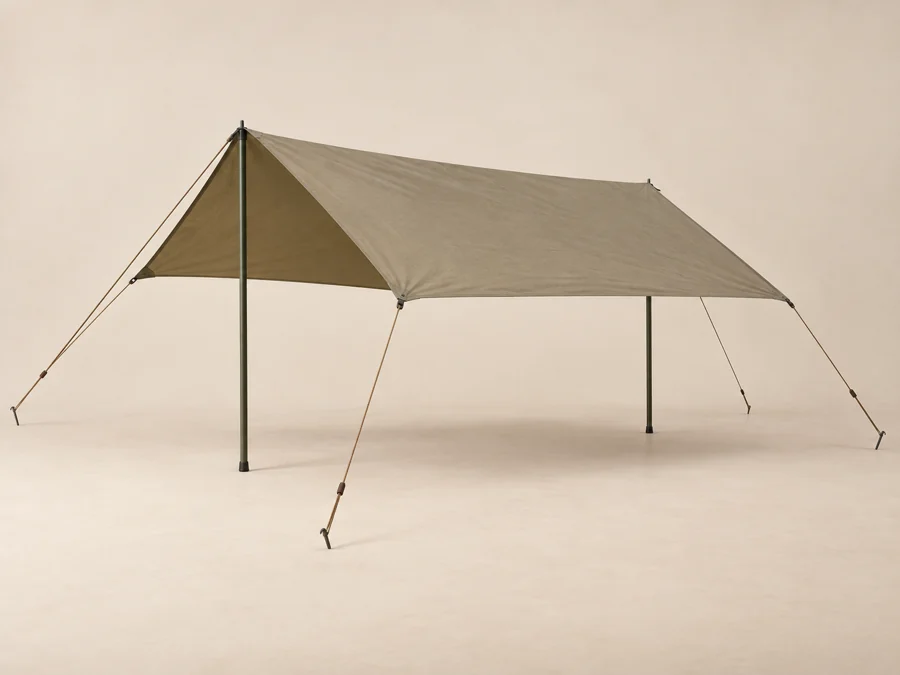
Compare coverage, pole arrangements and packing needs for open-air shelter.
COVERAGE · FABRIC · SETUP
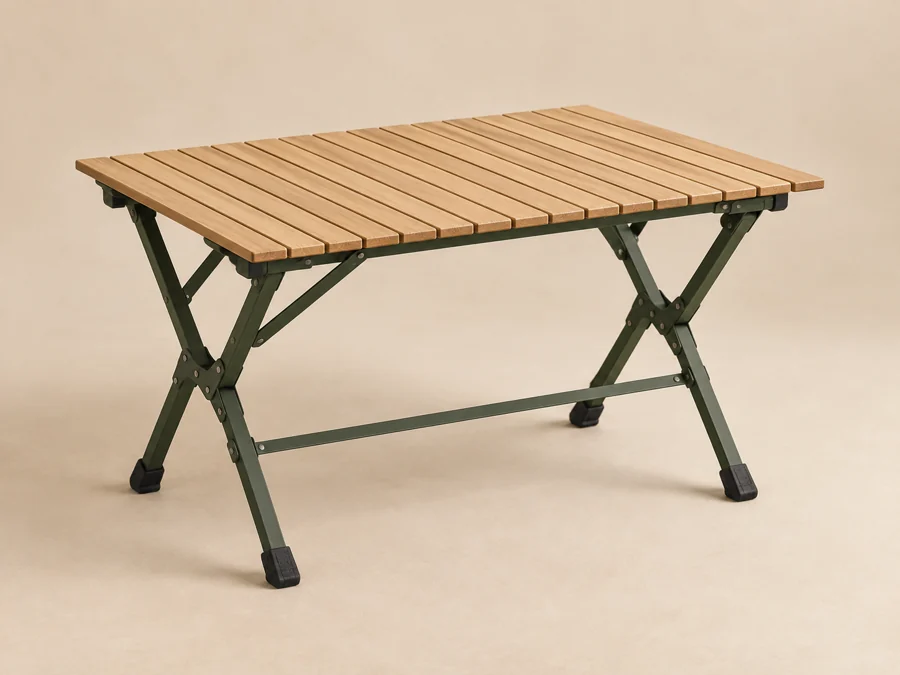
Choose tabletop dimensions, folding construction and packed volume for camp use.
TABLETOP · FRAME · FOLDED SIZE
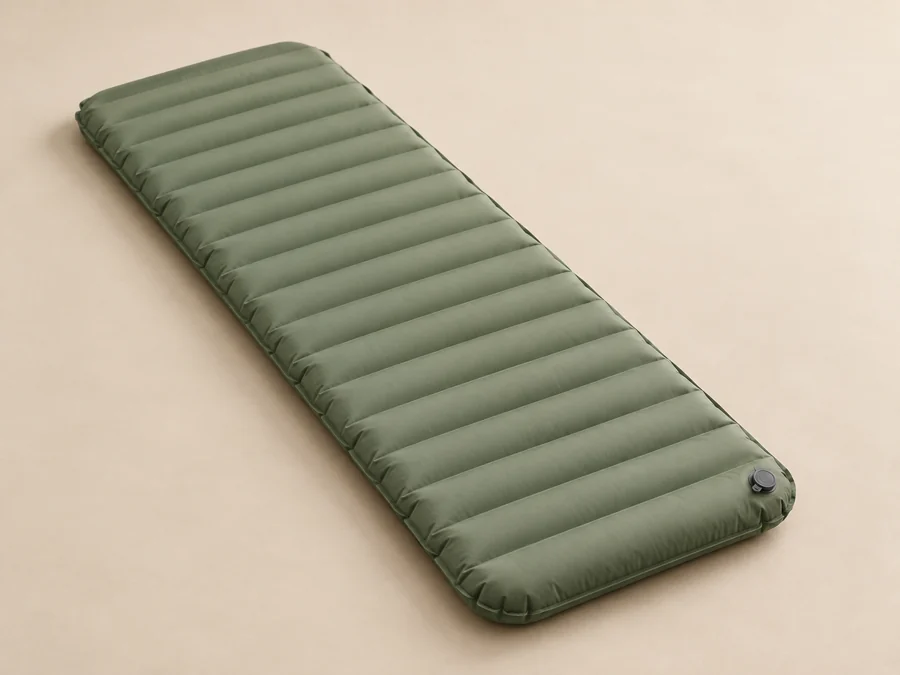
Specify dimensions, core construction and packed size for your sleeping range.
DIMENSIONS · CORE · PACKED SIZE
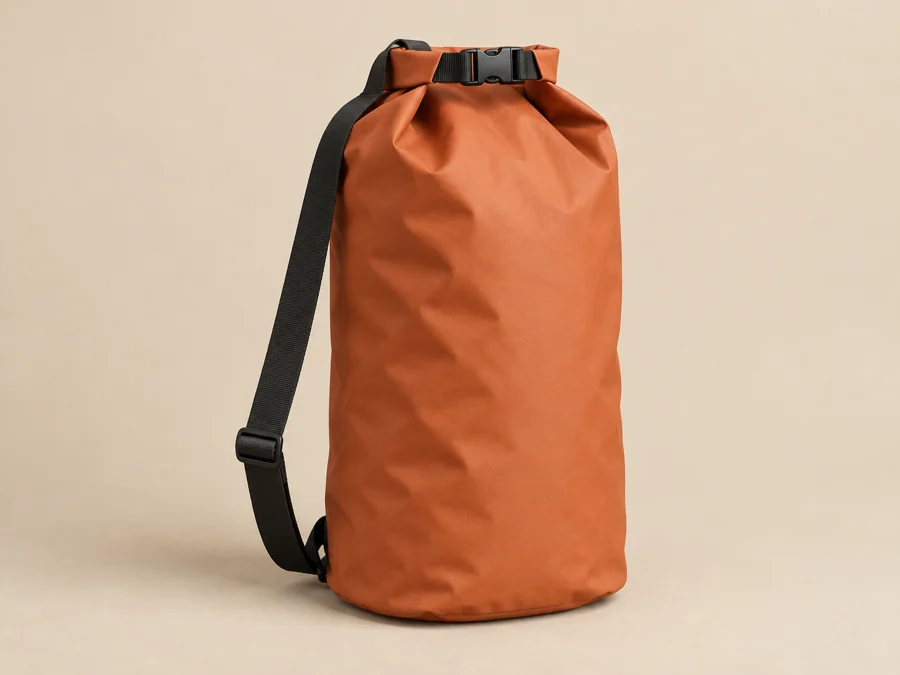
Define capacity, closure and material requirements for carrying and organizing gear.
CAPACITY · CLOSURE · MATERIAL
Think beyond a single product. Bring shelter, seating, sleeping and storage together around the way your customers spend time outdoors.
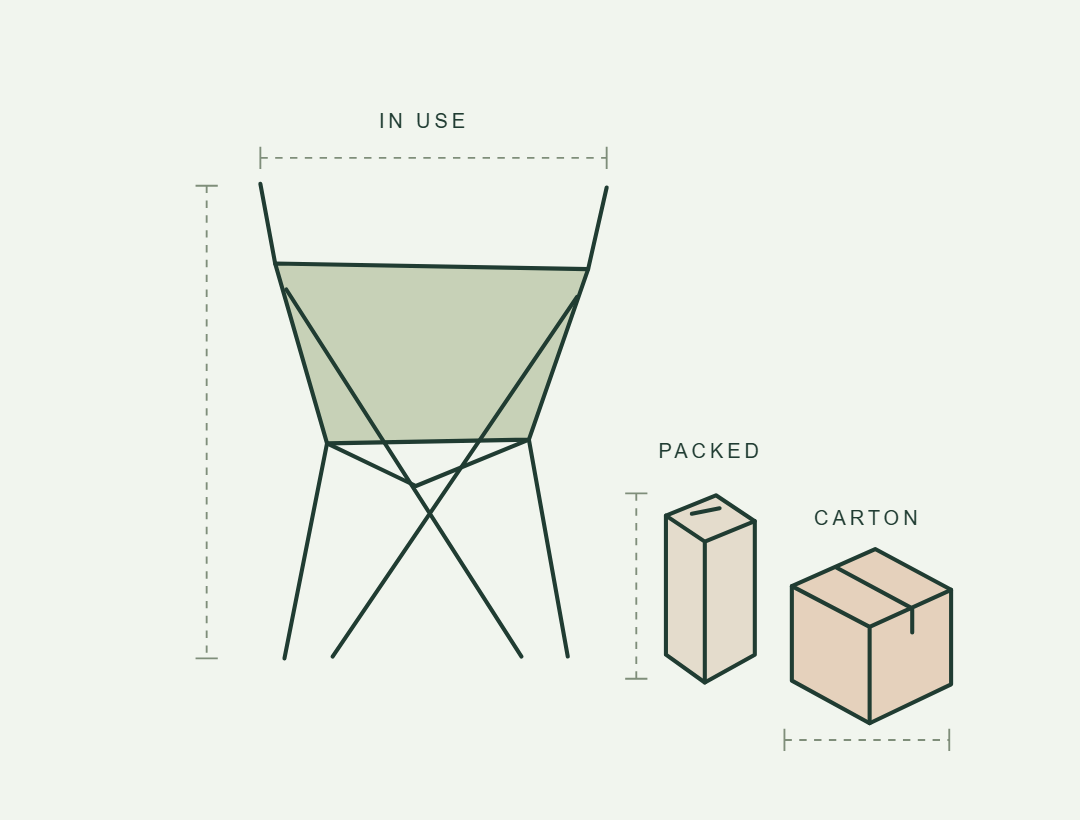
USE, PACKED AND CARTON
IN USE · PACKED · CARTON
A useful comparison goes beyond the product photo. Record use, packed and shipping dimensions separately.
Confirm the space a product occupies and the measurements that affect fit and comfort.
Check the packed unit’s size and weight, including its carry bag where applicable.
Request units per carton, carton dimensions and gross weight before comparing freight.
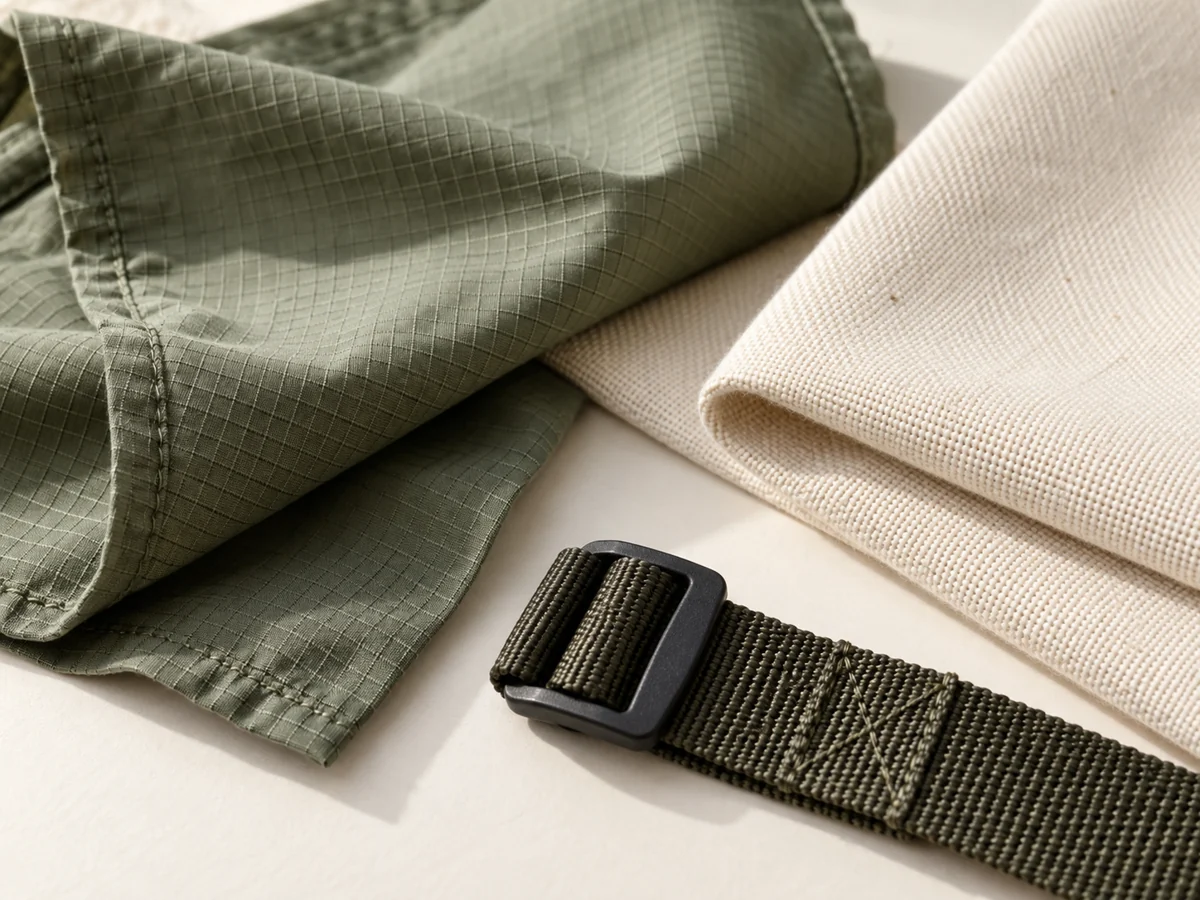
The right material brief connects appearance with intended use. Set out the fabric, structure and finish you want to compare before choosing a sample.
Specify the weave, coating and reinforcement areas relevant to your product.
Include color references and the look or handfeel you want for the collection.
Compare zippers, buckles, straps and the details customers handle every day.
Set out the order you need. If a specification is still open, describe the intended use and what you want to confirm.
List the category or model, estimated quantity per item and any required color mix.
THE WHAT & HOW MANY
Describe logo placement, labels, retail packaging or carton-marking requirements for review.
THE FINISHING DETAILS
Add the destination, delivery location and target arrival date. Mention if samples are needed first.
THE WHERE & WHEN
You don’t need every answer to start the conversation.
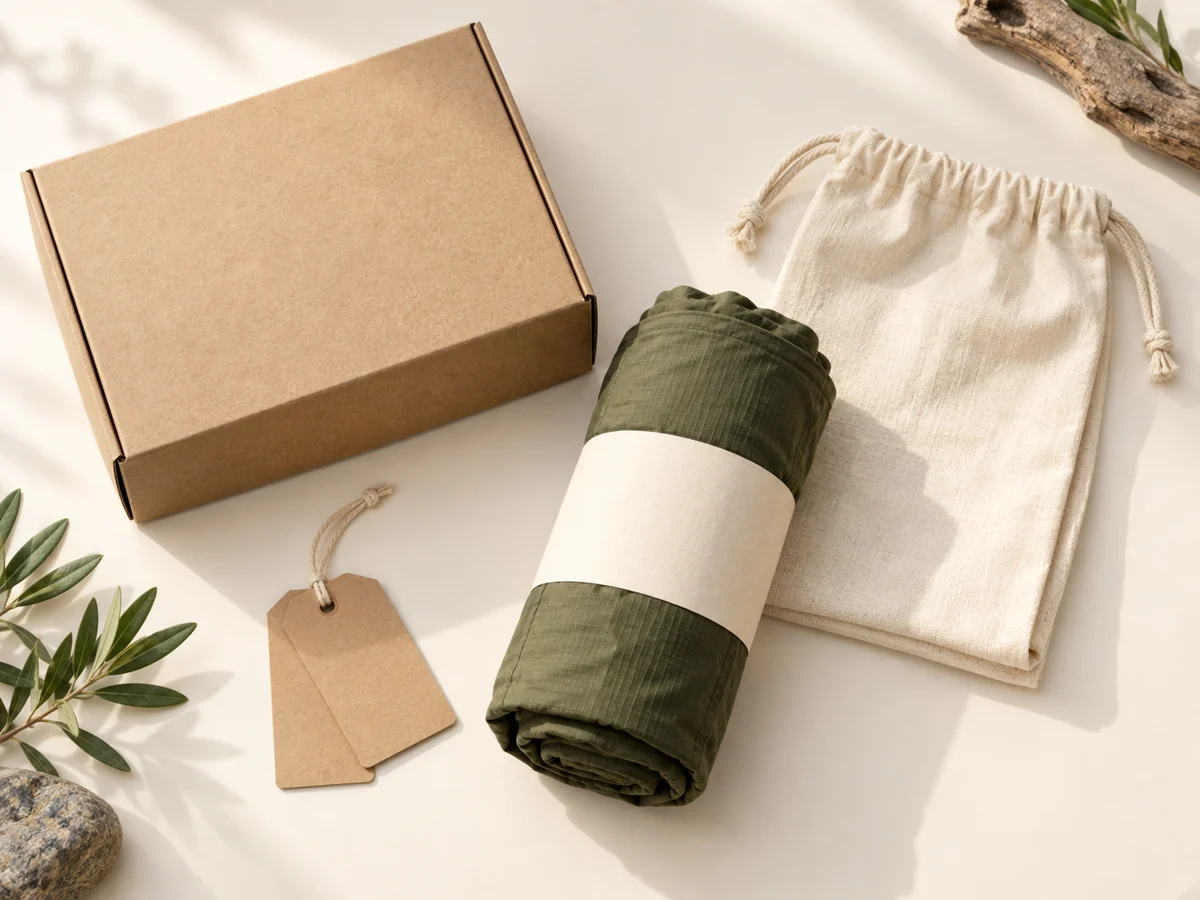
Make your retail requirements part of the buying brief. Describe how the product should be presented, packed and identified when it reaches your channel.
Share logo placement, label artwork and the branding details you want reviewed.
Define carry bags, paper bands, hangtags or boxed presentation for your range.
Include barcode, carton-marking and packing requirements with the destination market.
Sample testimonials for layout review. Illustrative examples, not verified customer reviews.
SAMPLE TESTIMONIAL
Having the dimensions, materials and packed sizes in one place would make it easier for our team to compare products for a seasonal outdoor range.
Product comparison
SAMPLE TESTIMONIAL
A clear inquiry format would help us explain the quantities, packaging and sample requirements for each item without leaving out important details.
Buying requirements
SAMPLE TESTIMONIAL
Separating packed product size from carton dimensions would give us a clearer starting point for discussing storage and freight.
Shipment planning
Start with what you know. Flag what you still need to confirm.
Include the product category or model, estimated quantity, destination country and any required specifications. Add packaging, branding and timing requirements when available.
Describe the intended use, preferred size or material, and any requirement that is essential to your order. Note which details still need to be confirmed.
Give an estimated quantity for each item and note any color or packaging split. If you need samples before deciding on a bulk order, include that request in the same inquiry.
Identify your destination market and the specific product. Ask which specification sheets or relevant test documents are available for that model, and confirm their scope before ordering.
Share your product list, estimated quantities and destination.

A product category is enough to start.